3D SVG Halloween Lantern Template Review
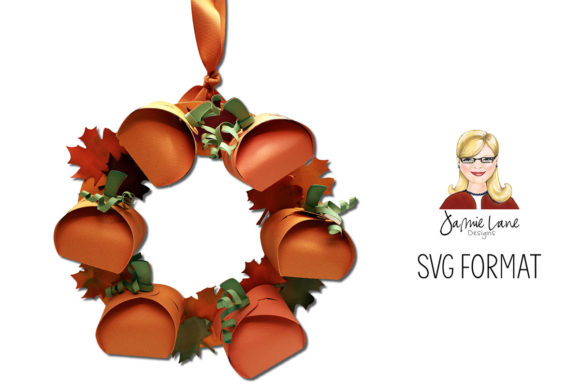
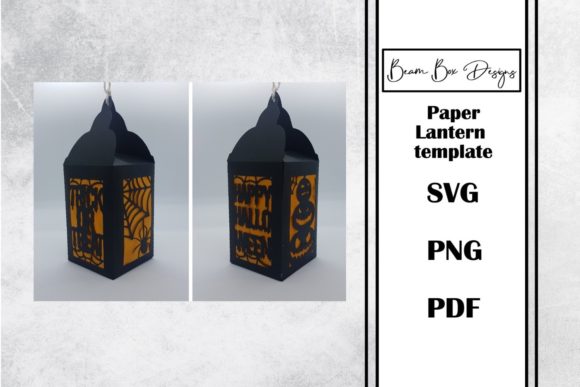
As a brand designer who spends most of my days refining logos and structuring visual hierarchies for local businesses, I approach seasonal assets with a critical eye. Too often, holiday graphics feel like an afterthought—cheap clipart that dilutes a carefully built brand identity. However, upon reviewing the Pumpkin Halloween Paper Lantern Template, I immediately saw potential for genuine brand elevation rather than just decoration. This isn't merely a festive image; it is a structural graphic design asset that offers depth, texture, and a tangible sense of craftsmanship.
The first impression this template creates is one of warm, rustic charm mixed with modern precision. The mood it suggests is inviting and handmade, perfect for businesses that want to appear approachable yet professional. It avoids the garish, neon aesthetics often associated with mass-market Halloween decor, leaning instead into a cozy, autumnal palette that feels organic and elegant. For a local bakery, a boutique candle maker, or a specialty coffee shop, this design signals a brand personality that values tradition and quality. It feels decorative without being overwhelming, striking a balance that is essential for small business branding.
Transforming Local Packaging with Dimensional Design
In the realm of packaging design, flat graphics can sometimes fail to capture attention on a crowded shelf. This is where the three-dimensional nature of this asset shines. Imagine a local soap maker launching a limited-edition "Spiced Pumpkin" line for October. By incorporating this lantern motif onto the product label or as a die-cut element on the box, the brand instantly gains shelf appeal. The design supports better product recognition because it breaks the visual monotony of standard rectangular labels.
The versatility of the file formats is a significant advantage for practical application. Since each template comes in SVG, PDF, and PNG, and templates can be re-sized without losing quality, the asset adapts seamlessly to various mediums. For a florist creating hang tags for autumn bouquets, the vector-based SVG design ensures crisp lines whether printed on a tiny sticker or a large poster. The included ZIP file provides a step-by-step guide on how to assemble the lantern, which is invaluable if a business owner wants to create physical 3D centerpieces for their storefront or include a mini-assembly kit as a value-add in their digital product shipments.
Elevating Marketing Visuals and Social Presence
Beyond physical goods, this template serves as a powerful tool for social media graphics and marketing visuals. In today's digital landscape, consistent visual hierarchy is key to stopping the scroll. Using the lantern graphic as a hero image for an Instagram story or a Facebook ad campaign can create a stronger emotional connection with the audience. It tells a story of seasonality and care. For a handmade business selling on Etsy or Shopify, using this illustration in product mockups can significantly improve customer trust by making the presentation look polished and intentional.
The asset works exceptionally well for seasonal campaign visuals. A children's product brand could use it for a "not-so-scary" party invitation, while a home decor shop might feature it in an editorial-style blog post about fall styling. Because the design is available in high-resolution PNG design formats with transparency, it layers beautifully over photos of actual products, allowing marketers to create composite images that look like professional editorial design without the high cost of a photoshoot.
Strategic Placement and Design Caution
While the Pumpkin Halloween Paper Lantern Template is versatile, strategic placement is crucial for maintaining professional branding. It works best as a packaging accent, a decorative brand element on thank-you cards, or a focal point on promotional banners. However, designers must exercise caution. This asset should not be used in areas requiring high legibility, such as ingredient lists or legal information sections on packaging. The intricate details of the lantern could compete with important text, causing clutter.
Furthermore, for luxury minimalist brands that rely on stark whitespace and ultra-thin typography, this illustrative style might feel too busy or rustic. It is also wise to avoid using it on very small labels where the fine lines of the cut-out design might blur during printing. In commercial design, the rule of thumb is that decoration should never compromise clarity. If the lantern competes with the logo, it needs to be scaled down or moved to a secondary position.
Practical Notes for the Professional Designer
Before integrating this into a client project, there are several practical steps I recommend. First, test the asset on real product mockup files to see how the shadows and folds interact with your specific packaging material. Check its usage in black and white to ensure it holds up for mono-color printing options, which are common for printable design inserts. Preview the graphic on small labels to confirm the details remain distinct.
It is also essential to test the lantern beside various typography styles. Does it pair well with a bold sans serif font for a modern look, or does it shine more next to a handwritten script for a cozy vibe? Compare it with competitor packaging to ensure your client stands out rather than blends in. Finally, always review the commercial license terms. While this asset is designed for commercial design and small business branding, confirming the rights for physical product sales and client work is a non-negotiable step in protecting your business and your client's brand.
Ultimately, the Pumpkin Halloween Paper Lantern Template is more than just a holiday graphic; it is a flexible tool for enhancing brand identity. Whether used for a Canva template social post, a physical clipart embellishment, or a full-scale web design banner, it offers the kind of quality and adaptability that local businesses need to thrive during the competitive holiday season. By treating it as a core component of the visual strategy rather than an afterthought, designers can create memorable experiences that resonate with customers long after Halloween has passed.