Daffodil Card Templates: 3D SVG Shapes for Branding
As a brand designer who has spent years refining visual identities for local businesses, I approach every new graphic design asset with a critical eye. It is not enough for an illustration to be pretty; it must serve a strategic purpose within a broader brand identity. Recently, I evaluated the Daffodil Card Templates collection, specifically looking at its potential for real-world application in small business branding. My initial impression was one of immediate warmth and approachability. The silhouette style suggests a brand personality that is friendly, organic, and deeply rooted in nature. This is not a cold, corporate aesthetic; rather, it feels handmade, feminine, and inviting, making it an ideal fit for boutique owners, florists, skincare brands, or artisanal food producers looking to soften their visual presentation.
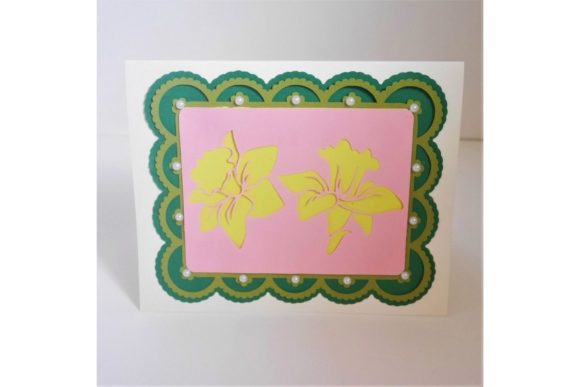
The core strength of these Shapes lies in their versatility as a 3D SVG file format. For a local bakery launching a spring collection or a candle maker introducing a floral scent line, these templates offer more than just decoration; they provide a structural element for packaging design. Because the difficulty level is rated as easy, even entrepreneurs without advanced technical skills can utilize these assets effectively. Whether you are using a Cricut machine to cut physical layers for a gift box or importing the SVG into design software for digital use, the workflow is streamlined. The inclusion of video tutorials further ensures that the barrier to entry is low, allowing handmade business owners to focus on creativity rather than troubleshooting technical issues.
Elevating Product Presentation and Shelf Appeal
In the context of product label design, visual hierarchy is everything. When I tested these daffodil silhouettes on mockups for a hypothetical local soap brand, the results were promising. The clean lines of the Silhouette style allow the graphic to act as a frame or a subtle background texture without competing with essential information like ingredients or weight. This balance is crucial for maintaining professional branding. By layering these 3D SVG elements, a brand can create a sense of depth and tactile quality that flat designs often lack. This added dimensionality improves shelf appeal, catching the customer's eye in a crowded marketplace and signaling a higher level of care in the product's creation.
Beyond the physical product, these templates excel in creating a cohesive brand identity across various touchpoints. Imagine a coffee shop using these floral shapes on their loyalty cards, menu inserts, and window decals. The consistent use of the daffodil motif builds stronger first impressions and fosters better product recognition. Customers begin to associate the specific curve of the petal with the quality of the service they receive. Furthermore, using these assets in social media graphics and promotional ads can unify a seasonal campaign. A "Spring Refresh" sale becomes visually distinct when anchored by these specific botanical illustrations, creating a stronger emotional connection with the audience through familiar, cheerful imagery.
Strategic Applications for Local Business Growth
The utility of the Daffodil Card Templates extends far beyond simple decoration. For local business owners, every piece of paper leaving the store is a marketing opportunity. These templates are perfectly suited for:
- Hang tags and thank-you cards: Adding a personal, hand-cut feel to packaging that enhances customer trust.
- Stickers and seals: Creating custom closures for bags and boxes that reinforce the unboxing experience.
- Price lists and flyers: Breaking up text-heavy layouts with organic shapes to improve readability.
- Website banners and hero graphics: Providing a soft, welcoming visual anchor for digital storefronts.
- Printable inserts: Offering value-added content inside products, such as care instructions styled with the daffodil motif.
When used correctly, these elements contribute to a more polished marketing visuals strategy. They help tell a story about the brand—one that values nature, craftsmanship, and attention to detail. For a children's product brand or a home decor shop, this narrative is invaluable. It transforms a generic transaction into a memorable brand experience.
Navigating Design Constraints and Best Practices
However, as with any design asset, there are contexts where caution is required. While the daffodil shape is versatile, it may not be suitable for formal corporate branding or industries requiring a stark, luxury minimalist aesthetic. In cases where the brand relies on extreme simplicity, adding decorative flourishes might dilute the message. Additionally, designers must be careful when applying these shapes to very small labels or areas dense with legal information. On an ingredient-heavy layout, a complex 3D SVG layer could create visual noise, making it difficult for consumers to find critical data. It is also vital to ensure sufficient contrast; placing a light-colored silhouette on a low-contrast background can render the graphic invisible, undermining its purpose.
To maximize the potential of these templates, I recommend several practical steps during the design process. First, always test it on real packaging mockups before committing to a full print run. Digital proofs can sometimes hide issues with scale or color interaction. Second, check the asset in black and white to ensure the visual hierarchy holds up without color reliance. Third, preview the design on small labels to confirm that the details of the SVG design remain crisp and do not blur when scaled down. It is also wise to test the daffodil shape alongside various typography styles—pairing it with a serif font for elegance, a sans serif font for modernity, or a script font for a whimsical touch. Finally, and perhaps most importantly, always review the commercial license terms. Ensuring you have the rights to use these assets for commercial design and physical product sales protects your business from legal complications down the line.
Ultimately, the Daffodil Card Templates represent a valuable resource for creative entrepreneurs. They bridge the gap between digital convenience and tangible craftsmanship. Whether utilized as a Canva template element, a cut file for a Cricut, or a vector component in professional editorial design, these shapes offer a reliable way to inject personality into a brand. By understanding where and how to deploy them, small business owners can achieve a level of professional branding that rivals larger competitors, all while maintaining the unique charm that defines the local market.