Elegant Bow Template Review: A Designer's Take
As someone who spends hours digitizing and testing machine embroidery design files for client work, I approach every new asset with a critical eye. When I first opened the Elegant Bow Template, my immediate thought wasn't just about the cut lines, but how this shape would translate into a stitched finished product. In the world of Christmas decor and boutique gifting, bows are ubiquitous, but finding one that balances structural integrity with visual grace is often a challenge. This review breaks down how this specific template performs when moved from a digital 3D SVG file to a tangible, embroidered reality.
First Impressions and Visual Personality
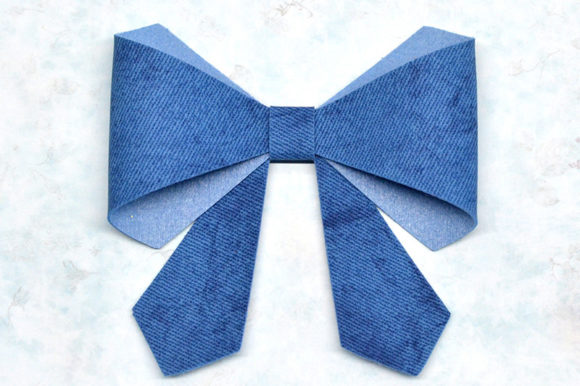
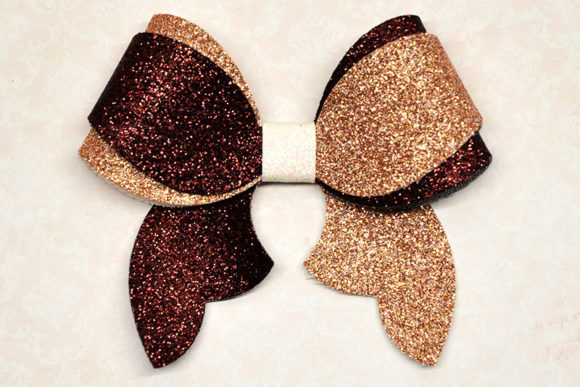
The silhouette of the Elegant Bow Template strikes a balance between classic and contemporary. It avoids the overly cartoonish loops found in many holiday files, opting instead for a tapered, sophisticated curve that suggests movement even when static. For an Etsy seller or craft business owner, this distinction is vital. Customers today are looking for handmade product quality that feels elevated, not mass-produced. The layout offers generous surface area for fill stitches while maintaining clean edges that would work beautifully with a satin stitch border. Whether you are aiming for a rustic felt aesthetic or a high-gloss faux leather look, the underlying geometry supports both without losing its identity.
Real-World Application: The Holiday Tote Scenario
To truly test the viability of this design, I envisioned a specific project: a custom tote bag design for a boutique hotel's holiday gift shop. The goal was to create a reusable bag that guests would actually want to keep, featuring a festive yet understated motif. Using the Elegant Bow Template as the central focal point, I considered how it would interact with a heavy canvas fabric. Unlike flimsy digital mockups, real embroidery requires us to think about fabric texture and drape. A bow of this proportion holds its own on a tote, providing enough visual weight to act as a brand marker without overwhelming the bag's utility.
If I were stitching this onto a sweatshirt embroidery project, the template's open loops would be perfect for incorporating contrasting thread colors. Imagine a deep forest green bow on a cream heather fleece; the negative space within the bow design allows the fabric to peek through, creating a layered, dimensional effect that mimics the actual 3D SVG intent of the original file. This adaptability makes it a strong contender for custom apparel lines where versatility is key.
Navigating Technical Challenges
While the design is promising, practical application requires caution. One area where designers often stumble is with small hoop size limitations. If you are adapting this for a cap or a small embroidered patch, you must ensure the intricate curves of the bow do not become distorted by the machine's minimum stitch length. Dense areas, particularly where the knot of the bow meets the loops, can become bulky if the stitch density is too high. On stretchy fabrics like jersey knits used in baby embroidery, a heavy fill could cause puckering. In these cases, I recommend reducing the density slightly or utilizing a high-quality cutaway stabilizer to maintain the shape's crispness after washing.
Furthermore, when working with dark fabrics, the contrast becomes your best friend and your worst enemy. A light-colored thread on a black background will highlight every imperfection in the stitch path. Before committing to a production run of holiday embroidery items, always test the design on scrap fabric identical to your final material. Check how the running stitch underlay performs; a solid foundation is non-negotiable for a professional-looking bow that won't unravel or shift over time.
Enhancing Brand Value and Customer Trust
The choice of design assets directly impacts buyer engagement. A well-executed bow adds a touch of luxury to simple items like kitchen towels or pillow covers. For small shop product lines, consistency is everything. If your brand promises elegance, a poorly proportioned bow can undermine that message. The Elegant Bow Template, when stitched correctly, reinforces a sense of professionalism. It tells the customer that attention was paid to the details. This perceived value allows creators to justify higher price points for their personalized gift offerings.
For those selling digital embroidery file packages, including this template in a holiday collection adds significant variety. It serves as an excellent base for appliqué projects, where the user cuts the fabric externally—perhaps using the scissors or cutting machine methods mentioned in the source description—and then stitches it down. This hybrid approach appeals to makers who enjoy mixed media techniques, expanding your potential market beyond pure machine embroiderers.
Practical Notes for the Studio
Before integrating this into your workflow, keep these actionable steps in mind:
- Test on Scrap: Always stitch a sample on your intended fabric to check for registration issues.
- Check Contrast: View your design in black and white mockups to ensure the shape reads clearly without color reliance.
- Stabilizer Selection: Match your stabilizer to the fabric weight; heavier fabrics may need less support, while knits require robust stabilization.
- Licensing Verification: Confirm the license terms before selling finished items or using the design in commercial embroidery projects.
- Thread Choice: Experiment with matte versus rayon threads; a matte finish often looks more sophisticated on faux leather or felt applications.
In conclusion, the Elegant Bow Template is a versatile asset that bridges the gap between digital precision and handmade charm. It respects the constraints of the embroidery machine while offering enough stylistic freedom to suit various embroidery project needs. Whether you are decorating a nursery, branding a line of aprons, or creating festive ornaments, this design holds up under scrutiny. Just remember that the magic lies not only in the file itself but in the thoughtful execution of the stitch. By paying attention to density, fabric choice, and finishing techniques, you can transform this simple template into a standout piece that resonates with customers and elevates your craft.