Reviewing N: A Bold 3D Letter for Modern Embroidery Projects
As a designer who spends more time at the hoop than away from it, I approach every new machine embroidery design with a mix of curiosity and skepticism. We have all seen countless alphabet sets that look great on a screen but turn into a thready mess once the needle hits the fabric. Today, I am taking a close look at N, a specific 3D illustration file categorized under Shadow Boxes. This is not just another font; it is a statement piece intended to add depth and dimension to handmade products. My goal here is to break down how this 3D SVG asset translates from a digital embroidery file to a tangible, stitched reality for small business owners and hobbyists alike.
First Impressions: Depth, Dimension, and Visual Weight
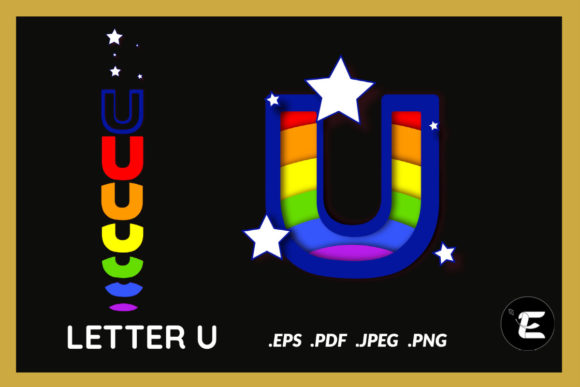
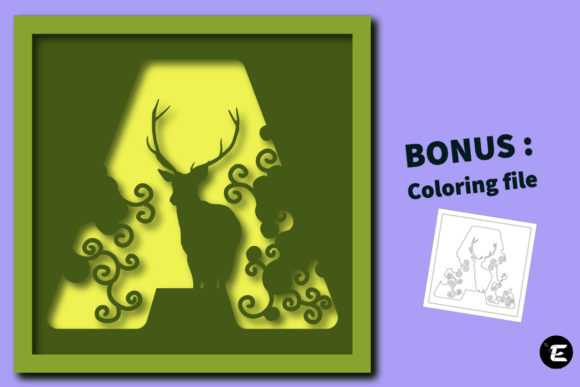
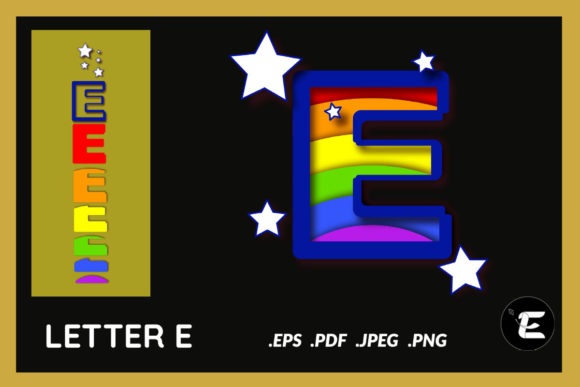
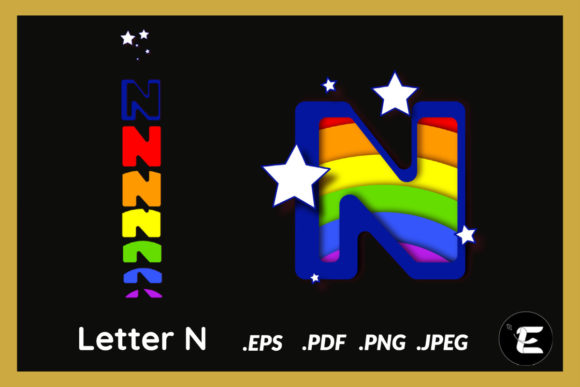
When I first opened the compressed file containing the assets for N, my immediate reaction was to the clarity of the vector lines. The description promises a 3D illustration, and visually, it delivers a strong sense of volume. Unlike flat satin stitch letters that can sometimes look too delicate on heavy garments, this design carries visual weight. The mood it creates is modern and architectural. It feels less like a whimsical nursery addition and more like a branding element for a boutique or a bold personalized gift.
The layout suggests a design that relies heavily on the interplay of light and shadow, which is crucial for creating that "pop-out" effect in embroidery. For an Etsy seller or creative entrepreneur, this visual personality is gold. It signals quality before the customer even touches the item. However, a pretty picture on a monitor does not guarantee a smooth stitching process. The real test is how these 3D elements hold up when converted into stitch density on actual fabric.
Real-World Application: The Custom Tote Bag Test
To evaluate N practically, I imagined a specific scenario: creating a custom embroidered tote bag for a local coffee shop's merchandise line. Tote bags are a staple small shop product, but they present challenges due to their often coarse fabric texture and lack of inherent stretch. Using N as a monogram or part of a logo here makes sense. The 3D aspect of the design would catch the light as the bag moves, adding a premium feel to what is otherwise a simple canvas item.
In this context, the design shines as a tote bag design element. The boldness of the letter ensures readability from a distance, which is essential for branding. If I were stitching this onto a sweatshirt for a personalized gift, the thickness of the garment would support the density required for the 3D effect without puckering. For sweatshirt embroidery, this design offers a collegiate yet contemporary vibe, far superior to standard block letters. It transforms a basic hoodie into a piece of custom apparel that feels professionally manufactured.
Versatility Across Product Lines
Beyond bags and sweatshirts, where else does N fit? I see strong potential in holiday embroidery projects, perhaps as part of a larger decorative pillow cover where the 3D effect mimics a carved wooden sign. It could also work beautifully as an embroided patch if digitized with a merrowed edge, allowing crafters to sell iron-on accessories. For those running a craft business, having a design that works across different categories—from baby embroidery (on sturdy denim overalls rather than thin onesies) to home decor—maximizes the return on investment for your design assets.
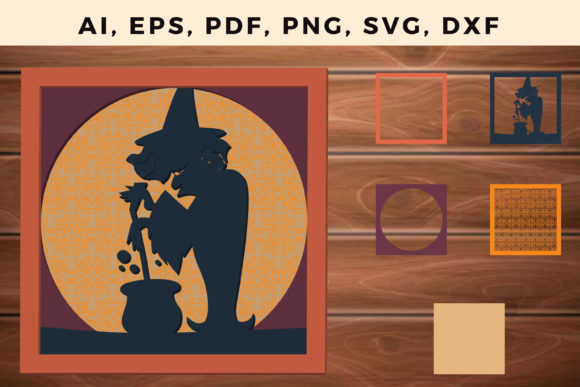
However, we must be realistic about limitations. While the file includes formats like .EPS, .PDF, .PNG, and .JPEG for cut files and illustrations, using this specifically for machine embroidery requires careful consideration of how the 3D effect is achieved. Is it through layered applique? Dense fill stitches? Or a combination? The provided files suggest a focus on cutting and illustration, so if you are adapting this for a sewing machine, you may need to ensure the transition from vector to stitch path preserves the intended depth.
Critical Considerations for Stitching Success
Every great design has its pitfalls, and ignoring them is how reputations are lost. With a 3D-style letter like N, stitch density is the primary concern. High-density areas can cause fabric distortion, especially on stretchy materials like jersey knits or thin cottons. If you attempt this on a lightweight t-shirt without proper stabilization, the result will be a puckered, unprofessional finished product.
Here are the specific scenarios where you need to proceed with caution:
- Small Hoop Sizes: If the design is large, fitting it into a small hoop might require re-hooping, which risks misalignment of the 3D layers.
- Textured Fabrics: While canvas works well, highly textured towels or waffle weaves might obscure the fine details of the 3D illusion.
- Curved Surfaces: Stitching on caps is tricky. The rigid structure of a cap front can handle density, but the curve can distort the perspective of the 3D letter if not centered perfectly.
- Detailed Corners: Sharp angles in 3D designs often require precise tie-offs and jumps. Check the corners for potential thread bunching.
- Frequent Washing: Products like kitchen towels or baby bibs undergo rigorous washing. Ensure the stitch count and type (likely a mix of satin stitch and fill stitch) can withstand agitation without fraying.
Enhancing Brand Value and Customer Trust
Why go through the trouble of testing and refining a design like N? Because in the world of handmade goods, presentation is everything. A crisp, well-executed 3D letter elevates the perceived value of your item. It tells the customer that you care about details. This builds customer trust and encourages repeat business. Whether you are selling printable mockup previews online or physical items at a craft fair, the professionalism of your embroidery reflects directly on your brand consistency.
For digital product sellers, offering this as part of a bundle with high-resolution PNGs and JPEGs allows buyers to create marketing materials before they even stitch a thread. This dual utility—serving both the maker and the marketer—makes the asset incredibly valuable for commercial embroidery ventures.
Practical Notes for the Professional Maker
Before you commit to a production run or list a new item in your shop, follow these practical steps to ensure N performs as expected:
- Test on Scrap Fabric: Always stitch a sample on the exact fabric you intend to use. What looks good on cotton might fail on polyester blends.
- Check Thread Contrast: The 3D effect relies on shading. Ensure your thread colors provide enough contrast to define the depth without clashing.
- Review Stabilizer Choice: For dense designs, a cut-away stabilizer is often safer than tear-away to prevent long-term distortion.
- Inspect Small Details: Zoom in on your machine's preview. Look for tiny running stitches that might not hold well in loose-weave fabrics.
- Verify Licensing: Since this file comes with various formats for illustration and cutting, confirm the license terms if you plan to sell the digital embroidery file itself versus the finished physical good.
- Mockup Testing: Create black and white mockups to check the silhouette. If the shape isn't recognizable without color, the design might be too reliant on shading.
In conclusion, N is a compelling design asset that bridges the gap between graphic illustration and tactile embroidery. Its strength lies in its bold, three-dimensional character, making it ideal for Shadow Boxes style projects, heavy apparel, and branded merchandise. While it demands respect regarding fabric choice and stabilization, the payoff is a high-impact visual that stands out in a crowded market. For the discerning designer willing to do the prep work, this design is a reliable tool for creating memorable, high-value handmade products.